
Summer Lyric Theatre
In its 58th season, Summer Lyric Theatre had the acclaim, the history, and a subscriber base that was quietly aging out. What it needed was a marketing engine that could turn a loyal audience into a growing one.
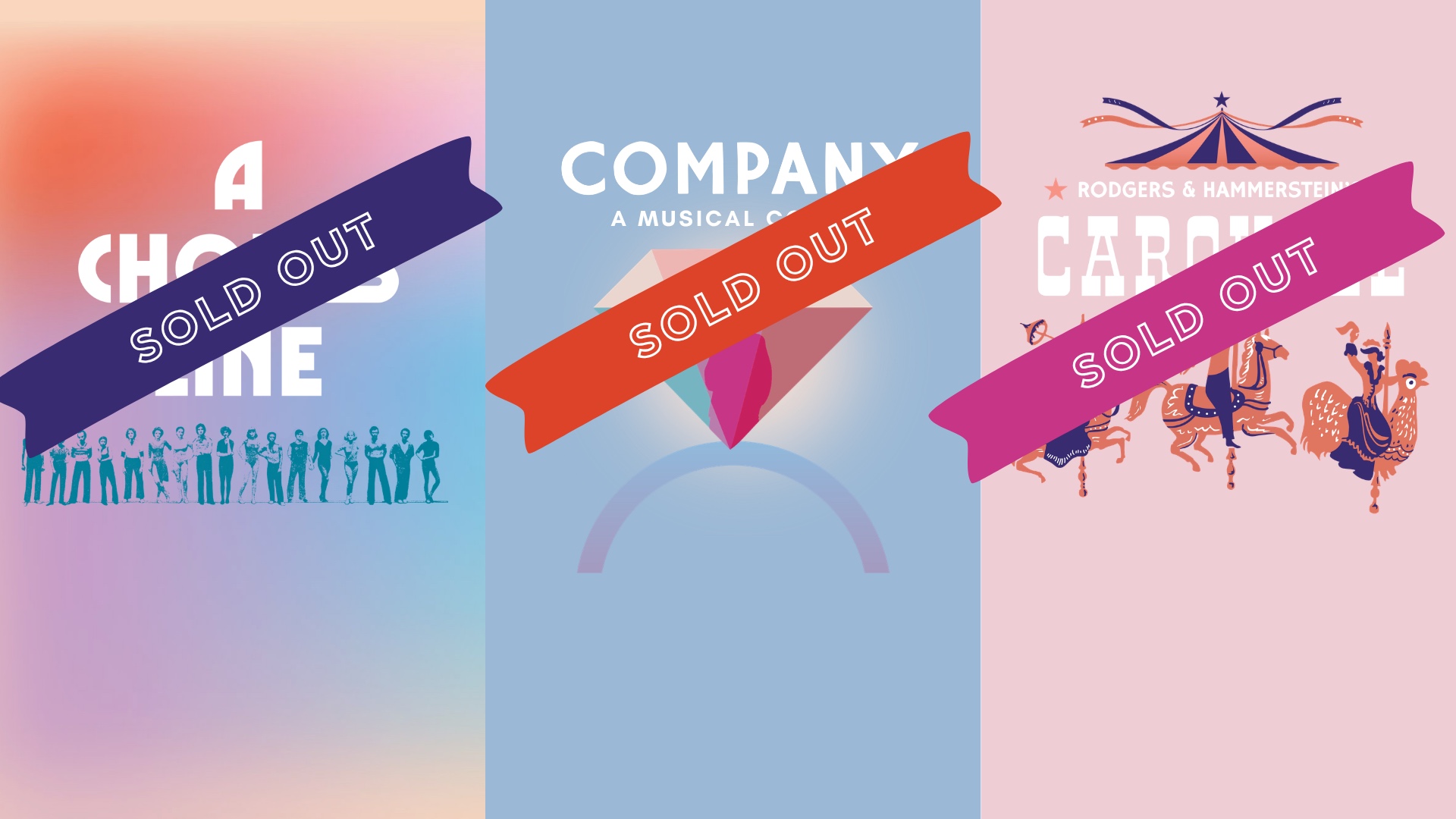
Summer Lyric is New Orleans' premier singers' theatre. The 2025 season put A Chorus Line, Company, and Carousel on stage, beloved classics with real regional pull. On stage, the work was excellent. Off stage, marketing was reactive. Shows opened without the buzz they had earned, email had stagnated, and a small in-house team was running every channel with no shared system to hold it together.
Acclaim earns reviews. Marketing earns revenue. Summer Lyric had a loyal subscriber base, but it was aging. There was growing interest from new theatergoers, but no reliable way to capture it. And there was no centralized place to coordinate a season across marketing, box office, and creative.
This is one of the most common problems we see, in any category. Organizations pour everything into the quality of the product, rightfully, and marketing becomes the afterthought until the numbers start to flatten. Excellence on stage earns applause. Turning it into ticket sales takes a system.
TVC joined as a strategic partner to build and run the season, and to leave behind a system the theatre could use every year after.
Before we talked about individual ads, we defined the season. Three questions set the strategy:
Who was the season actually for?
What made a subscription worth buying?
What would make someone drive in for a single show?
The answers pointed to a two-act sales model. First we sold the season, then we spotlighted each production. Act One led with subscriptions and the value of committing to the full season, retargeting past buyers, email openers, and site visitors to drive early conversions. Act Two shifted the message to each show in sequence, with tailored creative and paid media timed to each run.
Underneath the campaign, we built the infrastructure that made it repeatable:
- A sequential, phased Meta paid media strategy that paced spend across the full season instead of front-loading it
- Evergreen subscription messaging and a clear value proposition for reuse across every future campaign
- A seasonal brand guide and asset templates so creative stays consistent season to season
- A centralized marketing hub for assets, approvals, timelines, and messaging, visible to every team
- A restructured homepage and a reusable show landing page template, with clearer subscription versus single-ticket language and a streamlined, mobile-first path to purchase on Tix.com
- A weekly email cadence as a replicable engagement framework
- An expanded team, adding paid media and PR specialists alongside the in-house staff
- Multi-channel paid media across digital, print and out-of-home (OOH)
- PR coordinated to land press alongside marketing pushes, plus in-kind media trades with local partners
- A "Dinner & A Show" partnership model with area restaurants, and weekly cross-team syncs to keep marketing, box office, and creative aligned
Ticket revenue grew 42% year over year. Ticket sales rose 45%, and season subscriptions grew 42%, adding a new wave of subscribers to a base that had been aging.
The audience grew across every channel. Website traffic climbed 42%. Email engagement stayed strong throughout the season, and earned media landed across regional press.
All of it ran on a lean paid-media budget, and the season still left real headroom. The same system has room to keep growing.
The growth came from structure, on a lean budget. A subscription-first sales model, sequenced paid media, a shared hub, a weekly cadence, and a brand system the theatre now owns.
Marketing amplified the season. The system is what carries into the next one. That is the difference between a campaign that works once and infrastructure that compounds: continuous engagement, measurement tied to ticket sales, and a repeatable playbook the whole team can run.
Great shows deserve full houses. A system is how you fill them, season after season.
They sold out the season. They own the system that sells the next one.